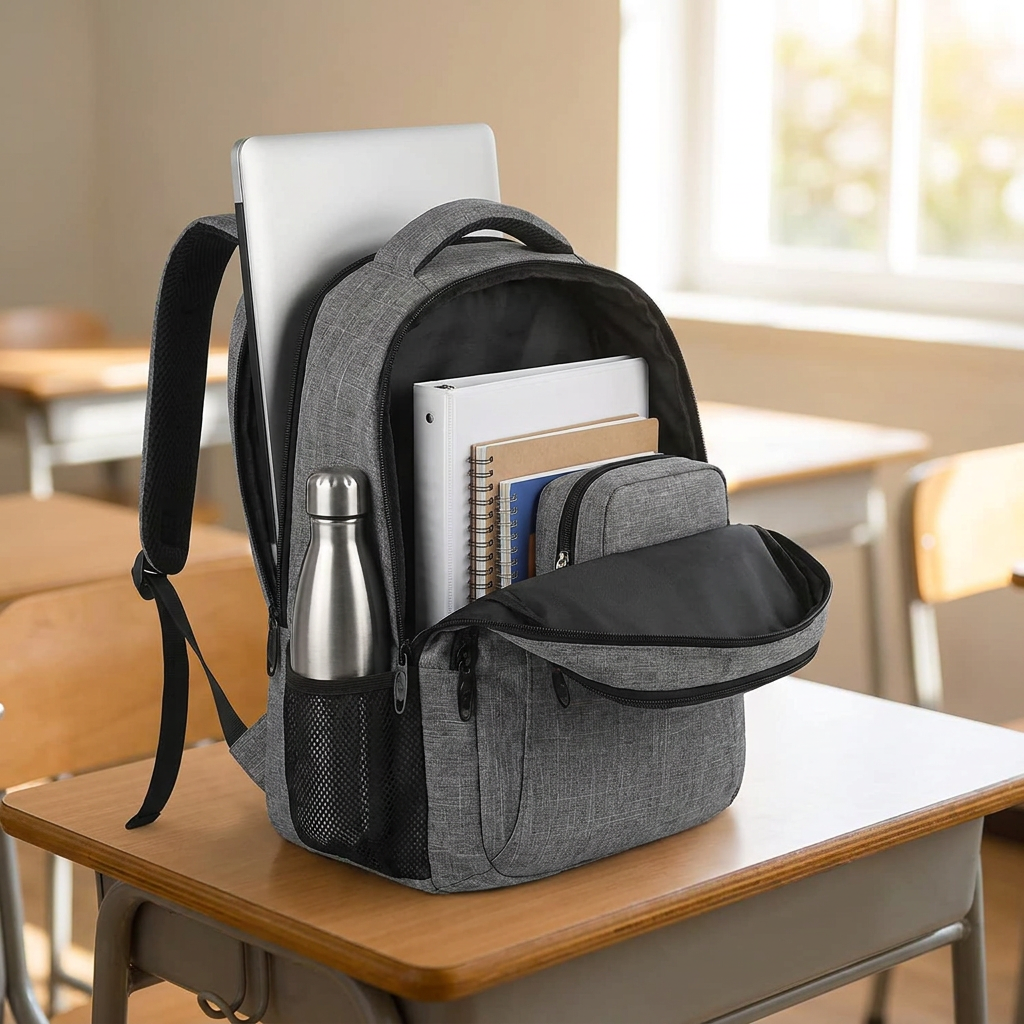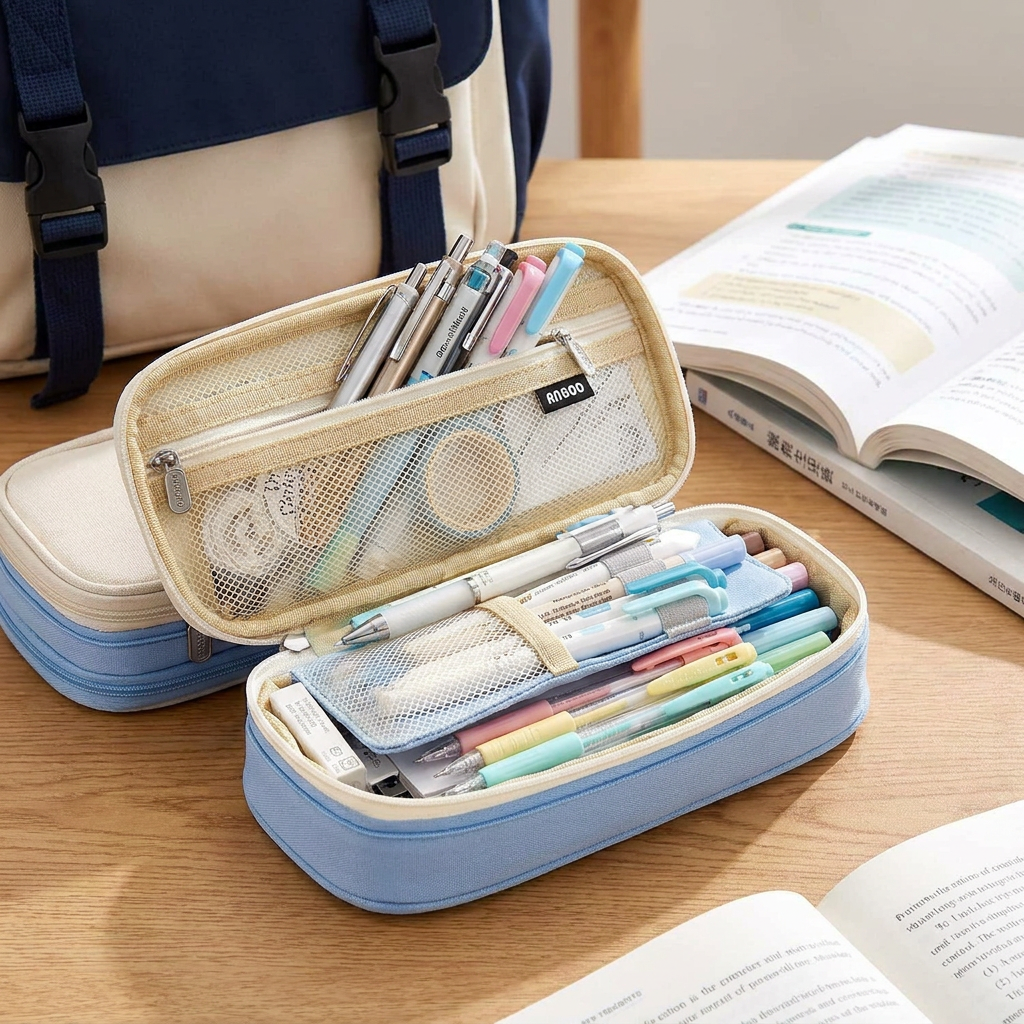
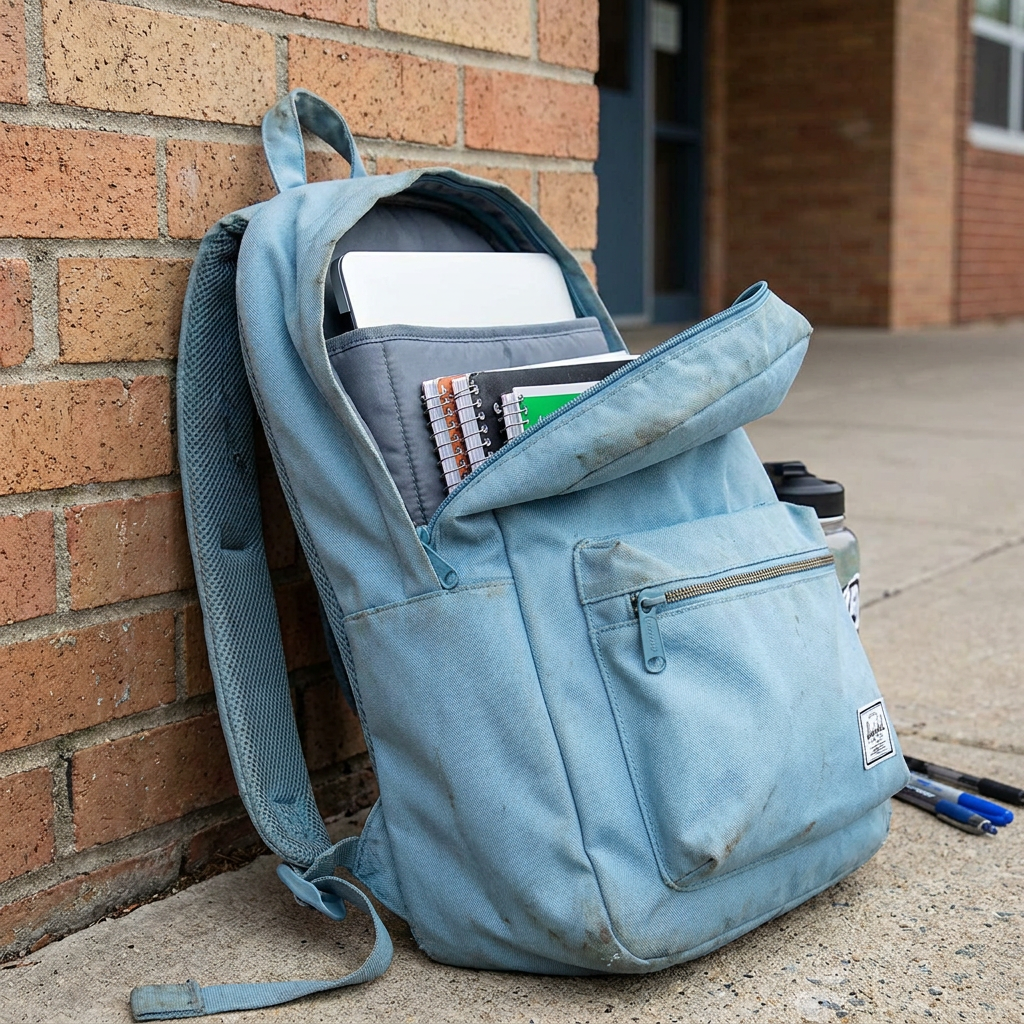
The best school backpacks match the student’s real load: about 12–18L (elementary), 18–25L (middle), or 25–35L (high school), with solid fit and build.
"Best" is rarely one perfect bag; it is a match between capacity, comfort, and durability for a specific school day. A backpack that feels fine with a light Chromebook can become miserable with two textbooks, a lunch, and a full water bottle. The opposite is also common: an oversized pack invites overfilling, then slumps, then shoulder pain.
- Start with the load: liters, laptop size, and whether textbooks/binders are daily carry.
- Then fit: strap spacing, back length, padding, and whether a sternum strap is needed.
- Finally longevity: fabric, zipper quality, stitching, and warranty terms that actually cover school wear.
What “best backpacks for school” really means in practice
For most students, the best backpack for school is the one that stays comfortable when fully packed, protects the laptop or tablet, and survives being dropped, dragged, and stuffed into lockers. The main trade-off is simple: more structure and durability often adds weight and cost, while ultralight bags can feel great until the load gets heavy or the fabric starts to abrade.
School backpacks get judged in motion. Five minutes of trying one on in a store does not reveal strap creep, zipper frustration between classes, or how a bottle pocket behaves when the bag is half full. The "best school backpack" label only holds if the bag fits the student’s body and the school day‘s rhythm.
A quick way to frame the decision:
- Capacity fit: enough liters for the largest normal day, not the once-a-semester edge case.
- Carry comfort: the bag should ride high and stable; slumping is a fit or packing problem.
- Failure points: zippers, strap anchors, and base fabric wear out before the main body does.
Capacity and school level: Picking liters before chasing features
Capacity is the first filter because it decides everything else: how far the bag sticks out, whether it fits a locker, and how much leverage the load puts on shoulders. Liters are more useful than "small/medium/large," but they only help if the day’s gear is understood.
Practical ranges that tend to map well to real school loads:
- Elementary school: about 12–18L. Space for a folder, a light jacket, a lunch, and a small water bottle. Going bigger can encourage overpacking and poor posture.
- Middle school: about 18–25L. This is the transition zone: thicker binders, occasional textbooks, sometimes a device plus charger.
- High school: about 25–35L. Useful when multiple textbooks travel daily, sports gear shows up, or a larger laptop is carried.
Those ranges are not rules; they are guardrails. A student with mostly digital materials can often drop a size. A student with block scheduling and heavy textbooks may need the upper end even in middle school.
Lockers and classroom seating matter more than many parents expect. Deep, bulky bags can be a daily annoyance: they snag chair legs, make crowded hallways worse, and get crushed in tight spaces. When the bag is too big, it also becomes a "storage unit," and the base tends to collect dead weight—old notebooks, extra shoes, random chargers.
Device carry changes the capacity calculation in a subtle way. A laptop sleeve adds structure but also steals usable depth. A 25L bag with a rigid padded sleeve can hold less "soft" gear than a 25L bag with a simple divider. This is why a bag that claims enough liters can still feel cramped for lunch boxes or thick pencil cases.
One common mistake: buying for the peak day only. If the student occasionally carries a science project, that is not the day to size for. It is usually better to size for the heaviest normal day, then plan a separate carry solution for rare events.
Comfort and fit: What makes a backpack feel light (or punishing)
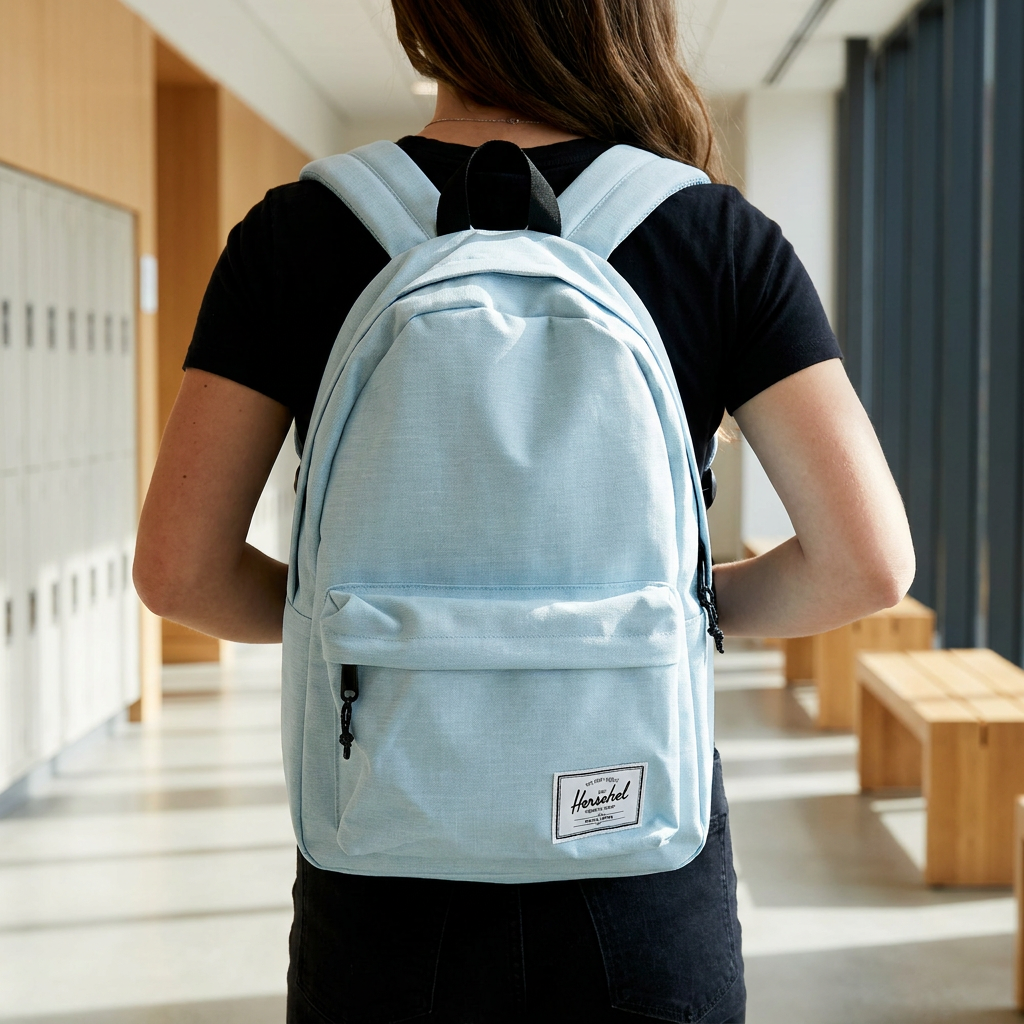
Comfort is not just "padding." It is geometry: where the load sits relative to the hips and shoulders, and how much the bag moves when walking. Two backpacks with the same weight can feel completely different if one rides close to the back and the other hangs low.
Fit checks that tend to separate the best school backpacks from the ones students abandon:
- Back length: the bag should sit high enough that it does not pull backward. If it rests on the butt or swings, it is either too long or worn too loose.
- Shoulder strap shape: straps that are too wide can rub the neck; too narrow can dig in with heavier loads.
- Sternum strap (when it matters): helpful for smaller frames, longer walks, or heavier days; it stabilizes the shoulder straps so they do not slide outward.
- Back panel feel: a stiff panel can improve load control, but in hot climates it can trap heat; ventilation channels help but do not perform miracles.
The "best backpack for high school" often needs better load control than younger grades. High schoolers carry heavier, but they also walk more—between classes, to practice, to the bus. That repeated motion is where poor fit turns into shoulder tightness and headaches.
Strap adjustment is where many bags fail in real life. If the adjusters slip, the bag slowly lengthens through the day. If the webbing is too stiff, students stop adjusting it at all. Either way, the bag ends up low and heavy-feeling by afternoon.
How heavy is too heavy? Many school health recommendations reference backpack loads as a percentage of body weight. Exact thresholds vary by source and context, but the practical takeaway is consistent: if the student must lean forward to compensate, the load is too high or the bag is riding too low. For a broader overview of posture and load concerns, see the American Academy of Pediatrics backpack safety guidance.
Small details change comfort more than marketing claims:
- Bottom weight: a heavy base fabric can add durability, but it also adds constant weight. That matters for younger students.
- Handle placement: a strong top handle reduces strap strain when the bag is carried short distances.
- Edge binding and seams: rough seam edges inside the strap can create hot spots, especially on bare skin in warm months.
Durability, organization, and weather resistance: What to inspect before calling it “best”
School use is harsh, repetitive, and careless by design. The best backpacks for school survive being pulled from one strap, dropped onto concrete, and overstuffed until the zipper is stressed. Durability is not only fabric thickness; it is how the bag is built at the stress points.
Inspection points that predict longevity better than brand hype:
- Zippers: look for smooth travel under tension and zipper tape that feels firmly stitched down. Zippers fail first when students yank them around corners.
- Strap anchors: reinforced stitching and extra layers where straps meet the bag matter more than thick padding.
- Base panel: abrasion resistance is crucial because bags get dragged and set down on rough surfaces daily.
- Lining and internal seams: thin lining tears where sharp objects live—keys, compasses, chargers—then pockets become useless.
Organization is only "good" if it matches what school actually requires. Over-segmentation can waste space; too few compartments turns the bag into a jumble. A realistic school setup usually benefits from:
- One main compartment that fits the largest binder or textbook without bending corners.
- A separate device sleeve that keeps a laptop from flexing against hard objects.
- Front access for small essentials so the main compartment is not opened in every hallway stop.
- Two bottle pockets when possible; one pocket often ends up fighting with umbrellas or snacks.
Weather resistance is a vocabulary trap. "Water-resistant" fabric can handle light rain, but zippers and seams are still entry points. "Waterproof" is a higher bar and usually means coated fabrics plus seam treatment—rare in everyday school bags without trade-offs in weight, stiffness, or cost. The practical approach: treat rain performance as a system made of fabric, zipper coverage, and how the bag sheds water when set down.
Also worth noticing: dark fabrics hide dirt but can show salt stains in winter; light fabrics show scuffs quickly. Neither is "better," but it changes how the backpack looks after three months of use.
Finally, warranties can be meaningful, but only if the terms match school reality. Some cover manufacturing defects, not wear from daily dragging. A bag can be "durable" and still be annoying if the warranty process is slow or unclear—especially mid-semester when there is no time to ship a backpack away.
Weight management: Keeping a “best school backpack” comfortable across a full week
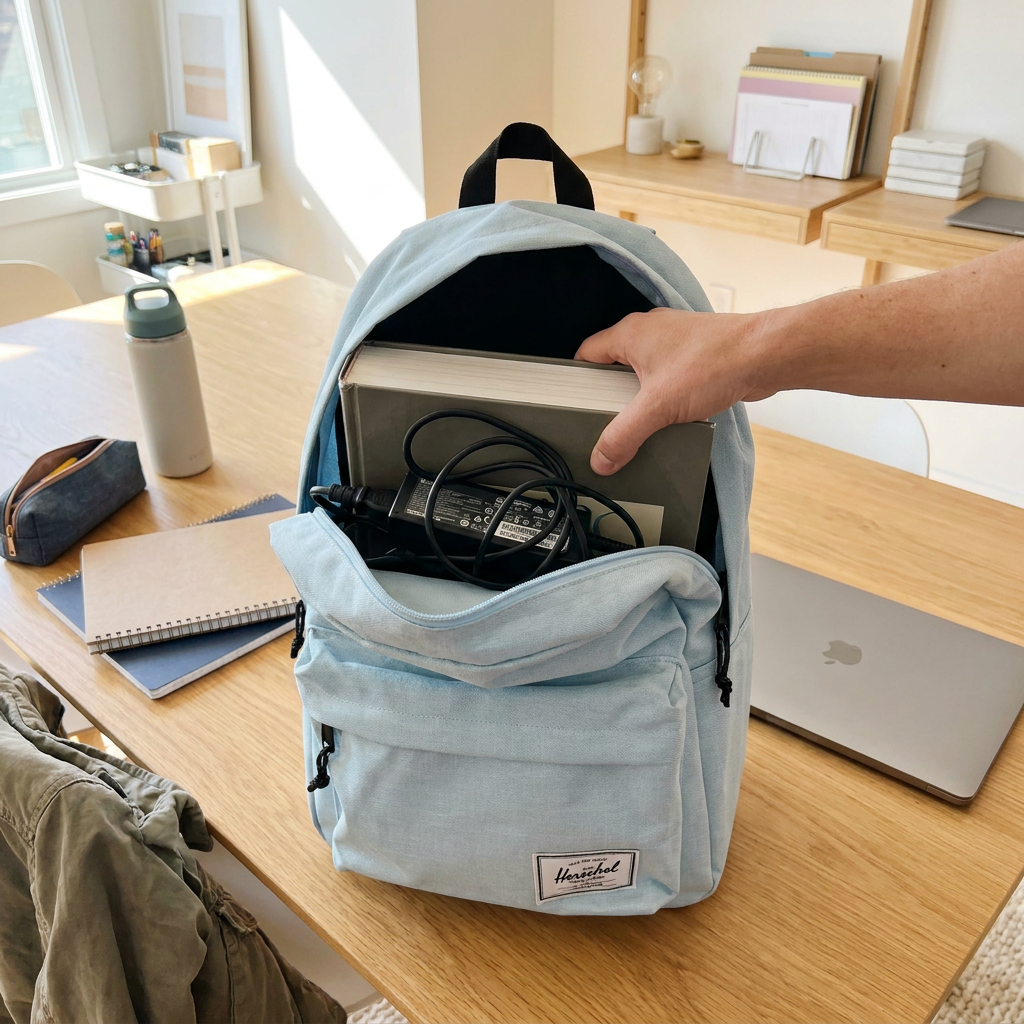
Once capacity and fit are sorted, the difference between a backpack that stays "best" and one that becomes a chore is weight discipline. The bag itself matters, but the bigger swing comes from what accumulates inside: duplicate notebooks, chargers that live in the main compartment, and "just in case" items that never leave. A useful mental model is a weekly reset where the backpack returns to a baseline load, instead of creeping heavier every day.
Practical weight targets help because they force trade-offs. Many school health recommendations discuss backpack loads as a percentage of body weight, but the practical signal is more important than any single number: if the student must lean forward to compensate, the load is too high or the bag is riding too low.
Small packing choices change how heavy a school backpack feels without changing the scale reading:
- Place dense items high and close to the back, so the load does not pull backward and multiply shoulder strain.
- Stop "floor stacking"; heavy items at the bottom create a pendulum effect that makes even short walks irritating.
- Use one "quick-access" area for transit essentials so the bag is not repeatedly dumped open between classes.
- Control liquids; a full bottle plus a second drink is easy to forget, and it acts like dead weight on days when fountains are available.
For students walking longer distances—bus stops, campus-style schools, after-school practice—comfort becomes more about stability than softness. A sternum strap, when present, should sit across the chest without restricting breathing; if it is routinely left dangling, that often signals the backpack is either too wide in the strap spacing or too tall for the student’s torso.
The best options also tend to make weight mistakes harder. A firm base helps the bag stand up, but it can invite overpacking if the main compartment looks empty. A structured laptop sleeve protects the device, yet it can encourage carrying the laptop even when not needed. The best setup is the one that makes the light day feel light, not merely the heavy day survivable.
Materials and build choices that separate the best backpacks for school from short-lived ones
Durability checks in a store catch obvious problems, but the real separator is how materials behave after months of abrasion and zipper cycles. Fabric names can mislead: "polyester" spans everything from thin, slick cloth that pills quickly to dense weaves that stay presentable for years. The question is not whether a backpack uses nylon or polyester; it is whether the fabric weight and weave density match the expected abuse.
A few build details tend to correlate with longer life in school conditions:
- Denser shell fabrics generally resist scuffing and corner wear better than very thin textiles, especially on the base panel.
- Bar-tacking or reinforced stitching at strap attachments reduces the risk of sudden failure when the pack is lifted by one strap or snatched off the floor.
- Binding on internal seams keeps the lining from tearing where books and chargers rub, which is a common "death by a thousand cuts" failure in school bags.
- Stiffened bottom panels reduce sagging over time; sagging is not only cosmetic—it changes how weight hangs and can make a previously comfortable backpack feel worse.
Zippers deserve a separate lens because they fail from stress, not just from cheap parts. A smooth zipper that still runs cleanly when the compartment is packed is what matters. If the zipper path bends sharply around a corner and the bag design forces the slider to fight the load, it will be yanked harder, more often, and it will age faster. The best designs reduce that daily friction by giving the main opening a straighter run and enough gusset depth that the zipper is not constantly under tension.
Water resistance also lives in materials, but it is rarely a single feature. A durable water repellent finish on the outer fabric helps in light rain; it does not seal seams or protect zippers. A backpack can be "best backpack for school" material-wise and still leak through a zipper coil in a downpour. For students in wet climates, it is smarter to treat rain protection as a system: fabric finish, zipper coverage, and a backup plan such as a removable rain cover or an internal dry bag for electronics.
Finally, aesthetics are not superficial in a school context. A fabric that scuffs easily may still be structurally fine, but students often stop using a bag that looks worn. Dark colors hide grime; lighter colors show abrasion faster; textured weaves can mask small scuffs but may trap dirt. The best backpacks for high school, in particular, tend to be the ones that look acceptable after the first hard semester.
Organization that matches real school gear (and avoids wasted space)
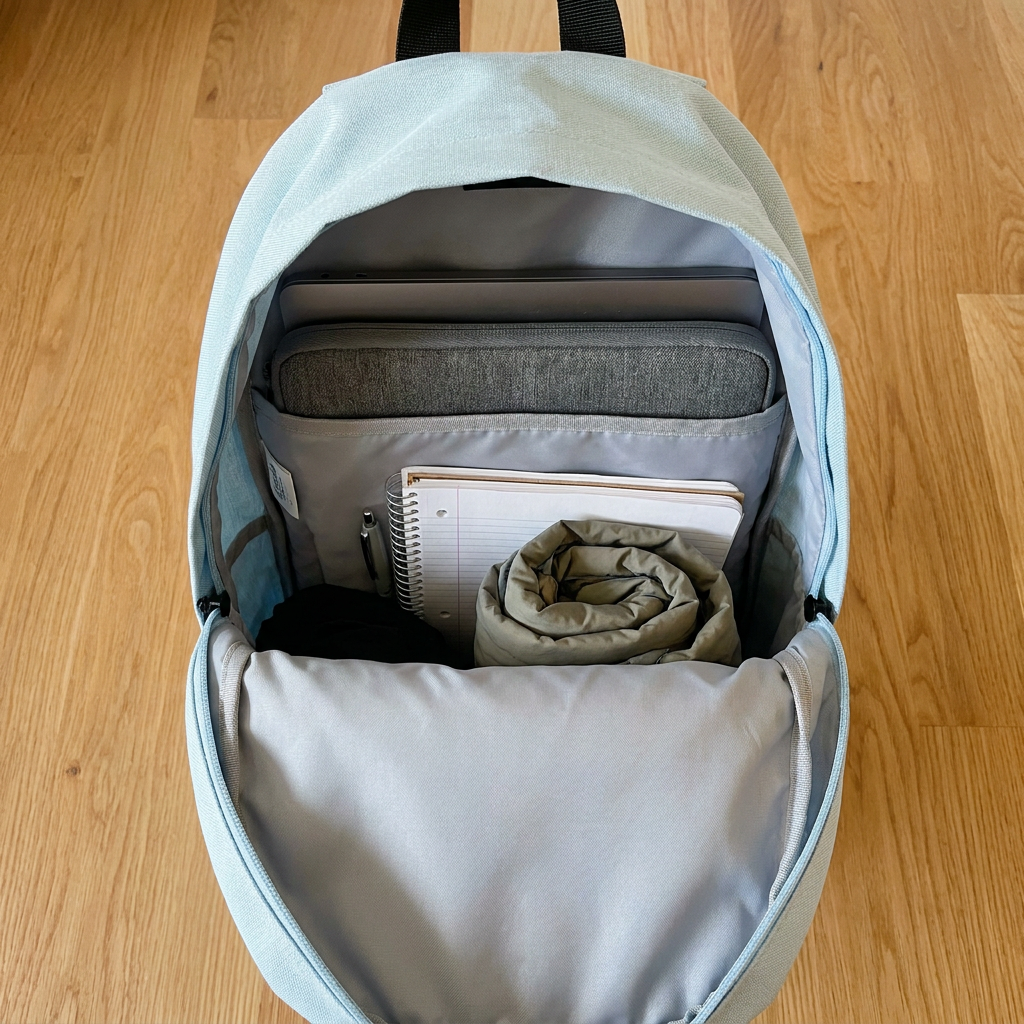
Organization is where "best school backpacks" diverge by student type. Some students need a simple, fast layout because they move constantly and hate fiddling with pockets. Others lose everything unless every item has a home. The wrong organization feels like a bad backpack even when the capacity and straps are fine.
A useful way to judge layouts is to map them to three daily behaviors rather than to a feature checklist:
- Hallway access: can essentials be reached one-handed without exposing the whole bag? If not, the main compartment will be opened constantly, and items will migrate and crush.
- Device protection: is the laptop or tablet isolated from hard objects, and does the sleeve prevent corner impact when the backpack is dropped?
- Lunch and spill control: can food ride without pressing into notebooks, and is there a predictable place for liquids so a leak is contained?
Over-organization is a common trap in "best backpacks for school" lists because it sounds premium. Too many small pockets are easy to fill with random objects, and they steal volume from the main compartment—the part that needs to accept a bulky binder without bending corners. A backpack that looks organized on a product page can become cramped in real use if the main compartment is broken up by thick padding, rigid dividers, or deep front pockets that bulge inward.
External bottle pockets are a surprisingly high-impact detail. A shallow pocket drops bottles when the bag is half-empty; a tight pocket makes it annoying to use, so the bottle ends up inside with electronics. Elastic that is too loose loses tension quickly. The best backpack for high school students who carry larger bottles often needs a pocket that is both tall and cinched, so it grips different diameters without turning into a floppy sleeve after a few months.
One more subtle point: organization should match how the backpack is opened. Top-loading designs can be efficient but can frustrate students who need full visibility at a locker. Clamshell openings make packing easier but can spill items if the bag is opened while standing. Neither is universally better; the "best school backpack" for a student is the one that matches how they actually interact with it between classes.
How to evaluate best backpacks for high school versus younger grades without falling into stereotypes
Searches for "best backpacks for high school" often drift into style categories—boys versus girls, athletic versus academic—yet the more reliable divider is schedule and carry pattern. A student with block scheduling and heavy textbooks has a different backpack problem than a student whose day is mostly digital materials plus a hoodie.
High school backpacks face a specific stress mix: more walking, more doorways, more time on the floor, more last-minute packing changes. That environment tends to reward:
- Faster access for chargers, transit cards, and small items that would otherwise be hunted for in crowded hallways.
- Better structure so the bag does not slump when partially loaded; slumping makes it feel heavier by lowering the center of mass.
- More tolerant volume for occasional gear spikes—gym kit, club materials—without requiring the student to "carry a second bag" weekly.
For elementary and many middle school students, the school day is more controlled and the load is often lighter but less predictable in how it is packed. That tends to favor simpler organization, lighter bag weight, and strap comfort that works even when the backpack is worn loosely. A child who cannot or will not adjust straps every morning needs a backpack that remains stable without perfect setup.
Gendered searches like "best backpack for high school boy" or "large best backpack for middle school girl" usually reflect two real issues: style acceptance and fit. Style acceptance matters because a backpack that feels embarrassing will not be worn correctly—straps loosened, bag slung on one shoulder, sternum strap ignored. Fit matters because shoulder width and torso length vary widely at the same age. The most practical approach is to treat those queries as a prompt to check geometry and comfort first, then choose a look that the student will actually use consistently.
One final realism check: the best back to school backpacks are not only "good on day one." They should still feel manageable after the first stretch of routine, when habits settle and the bag has been dropped, overstuffed, and dragged. If a backpack only works when packed perfectly and handled gently, it is unlikely to stay "best" through a typical semester.
Best school backpacks when the school day changes: The details that decide if it still works
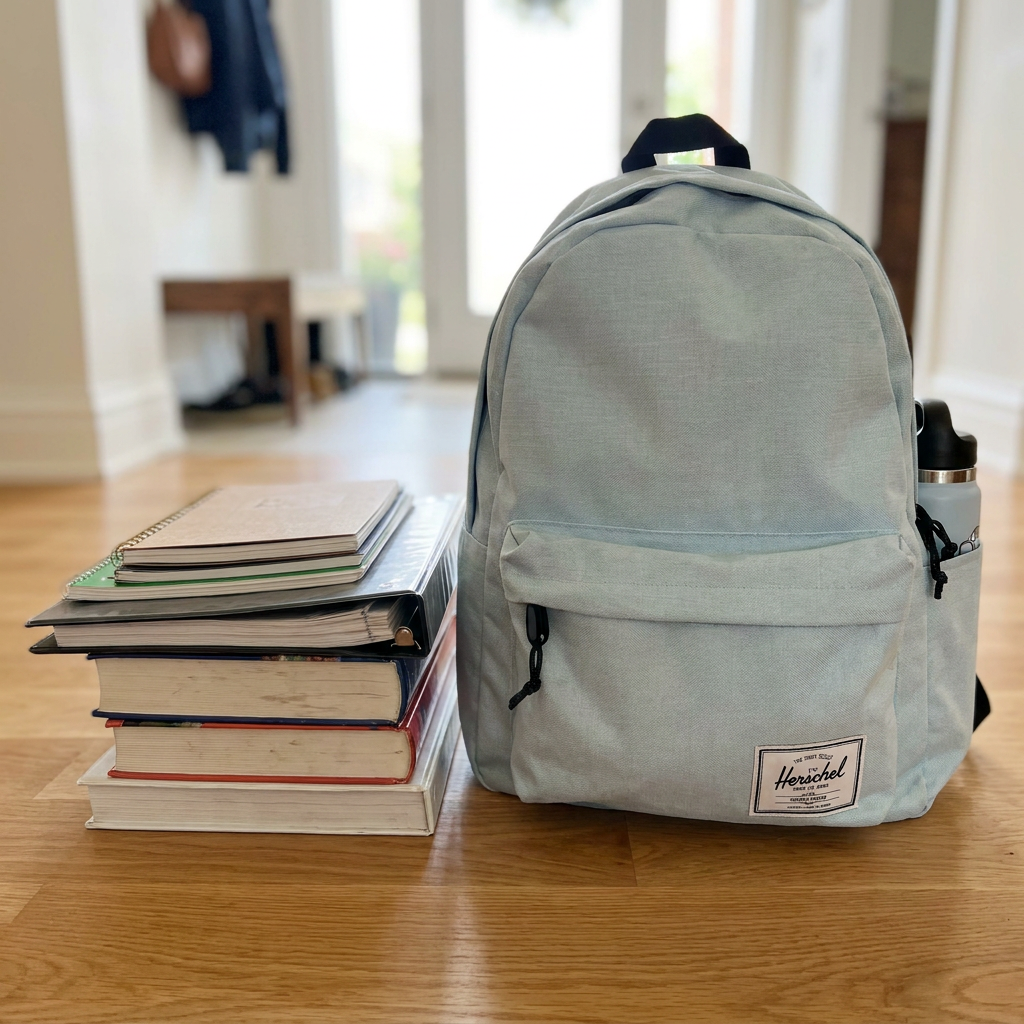
A backpack can look perfect for a normal weekday and still fall apart as a system when the routine shifts. The stress test is not a rare science fair; it is the ordinary variability: a wet morning, an unexpected after-school plan, a day when the student carries more paper than usual, then a day when they carry almost nothing. The best school backpacks handle those swings without becoming either a sagging sack on light days or a shoulder crusher on heavy ones.
Two real-world moments separate a genuinely good school backpack from a merely acceptable one. The first is the "grab-and-go" morning: if the bag is fussy to pack, students compensate by stuffing and yanking, and that is where small annoyances turn into wear. The second is the midday scramble at a locker or on a classroom floor: if access is awkward, zippers get forced, items get dropped, and the bag ends up carried open or by one strap. The bag does not need to be fancy; it needs to be tolerant of rushed behavior.
When the goal is "best backpack for school" rather than "nicest-looking bag," a few decision checks hold up well across ages:
- Consistency across load swings: if the backpack only rides well when it is packed to a specific fullness, it will feel wrong several days a week.
- Friction points in daily handling: openings that catch, pockets that fight the main compartment, or bottle pockets that eject items will be punished dozens of times per day.
- Electronics as the non-negotiable: if a device is carried, the backpack has to make that safe by design, not by careful behavior.
A confident editorial position is simple here: the "best backpacks for high school" are rarely the most minimal ones. High schoolers are the group most likely to carry a device, a charger, food, and occasional gear spikes, and minimal designs often shift the burden onto perfect packing habits. A bag that forgives imperfect packing wins in the long run because it prevents the most common failure pattern: straps loosened, bag slung low, and discomfort blamed on the student rather than the setup.
That does not mean bigger is better. Oversizing creates its own problem: it invites clutter and teaches the backpack to live heavy. If the bag routinely comes home with yesterday’s notebooks, the problem is not "discipline"; it is that it has room to become storage. The best back to school backpacks are sized so the student can carry what is needed without having space that begs to be filled.
Where this fits
This approach to choosing the best school backpacks fits students whose week includes real variability: some heavy days, some light ones, a device on most days, and enough walking that comfort and stability actually matter. It also fits families who want a backpack that stays usable across a semester without requiring constant "pack it perfectly" reminders.
It does not fit situations where the load is consistently tiny and the student strongly prefers the smallest possible bag for style or simplicity. It also clashes with students who refuse to adjust straps or who insist on wearing the backpack very low; even a well-chosen bag will feel worse and wear faster when it is carried that way.
How to avoid the most common buying mistakes with best backpacks for school
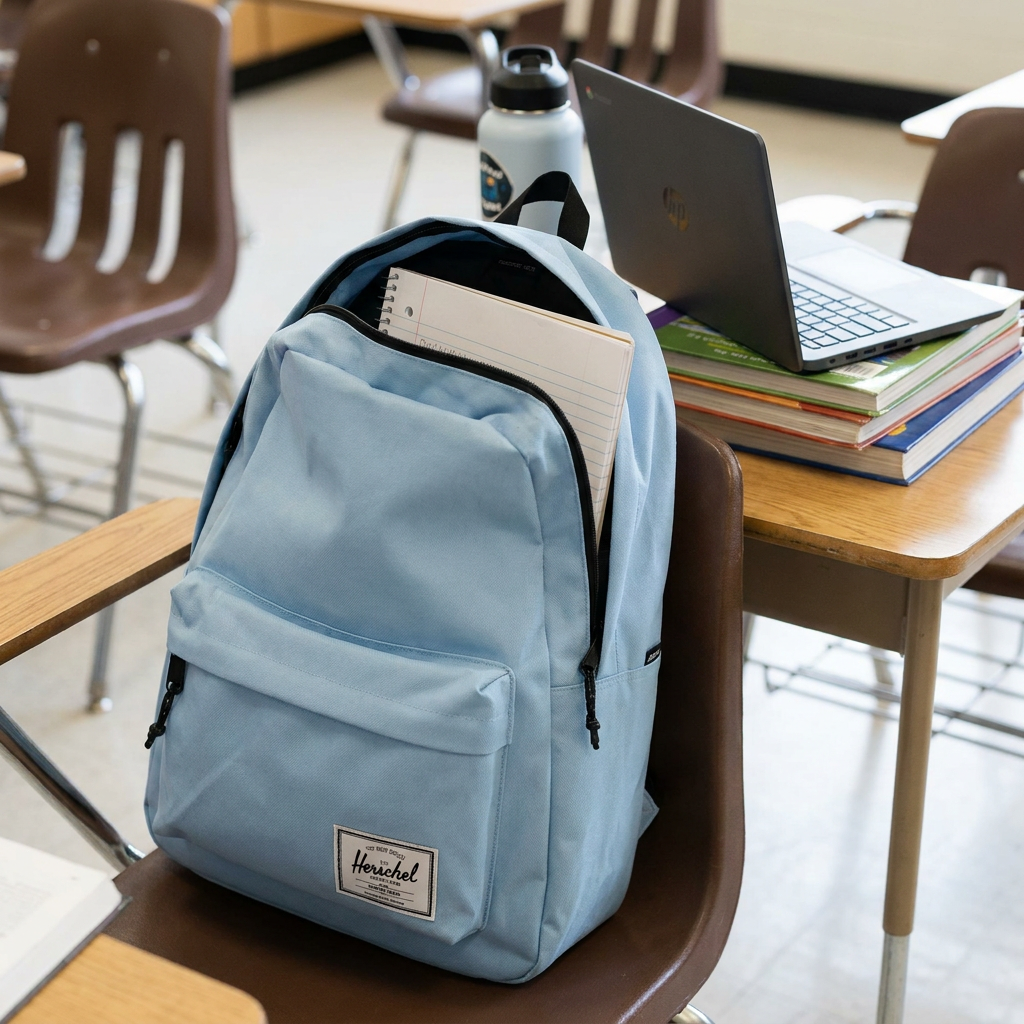
Most disappointments with best backpacks for school come from predictable mismatches, not from a single "bad" bag. The fix is not chasing a brand; it is avoiding the few mistakes that keep repeating in real school use.
One mistake is treating the backpack like a one-time purchase decision instead of a daily system. If the student’s routine includes a device, lunch, and a water bottle, then spill control and fast access are not "nice extras." They decide whether electronics stay protected and whether papers stay presentable. Another mistake is buying for an imagined ideal day—neat packing, careful handling—when the reality is hurried mornings and hallway chaos.
When narrowing down the best backpack brands for school (or just cutting through options in a store), practical checks tend to prevent regret:
- Do a 60-second "class change" simulation: can the student reach what they need without dumping the main compartment? If not, the bag will be treated roughly.
- Check the bag when it is half full: some backpacks only behave when packed tight; half-full slumping is a common reason students stop using a bag.
- Confirm the largest item fits without forcing: if a binder or textbook only fits diagonally or bends corners, that friction will compound every day.
- Look for the first failure, not the feature list: strap anchors, zipper paths, and base wear matter more than extra pockets.
Another common trap is confusing "water-resistant" language with real rain security. Light rain performance often looks fine; the real failure is a soaked zipper line or a puddle on the floor that wicks into the base. If the student lives in a wet climate or walks to school, it is smarter to plan for a backup layer of protection for electronics than to assume the backpack alone solves it. For more on how water resistance and waterproofing differ in outdoor gear, see REI’s guide to waterproof vs. water-resistant.
Finally, avoid outsourcing fit decisions to age labels. "Best backpacks for elementary school" and "best high school backpacks" are useful categories, but bodies vary wildly at the same age. A backpack that fits one middle schooler perfectly can sit awkwardly on another with a different torso length or shoulder width. The right move is to put fit and daily behavior above grade-level marketing.
Common questions about best school backpacks
How many liters should a student aim for if searching for the best school backpacks?
Liters should match the heaviest normal day, not the rare project day. If the backpack is constantly overstuffed, it will feel worse and wear faster; if it is constantly half empty, it invites clutter and slumping.
Is it smarter to size up for “just in case” when choosing the best backpack for school?
Only if the "just in case" happens weekly, not monthly. Extra volume is often paid back as extra weight and extra mess, and students tend to fill whatever space exists.
Do high school students actually need a larger bag, or is that mostly a style thing?
The need usually comes from the carry pattern: device plus charger, longer walking, and occasional gear spikes. When the schedule is mostly digital and lockers are available, a smaller backpack can work well even in high school.
What makes a backpack feel uncomfortable even when it is not that heavy?
Load placement and movement are the usual culprits: weight hanging low, pulling backward, or swinging while walking. A bag that rides high and stays close to the back often feels lighter than the scale suggests.
Bottom line
The best school backpacks are the ones that stay comfortable and functional on the messy, rushed days—not just the days when everything is packed neatly and carried gently.